
Off-Road Dirt Track Championship
Opens in a play window — no download required.
Reviews
Off-Road Dirt Track Championship succeeds by making every lap feel distinct through its surface transitions. The physics model gives the bike real weight, and the boost system forces strategic thinking rather than mindless speed. Short race lengths encourage repeated attempts to shave off fractions of a second. It is a lean, polished experience that respects the player's time while delivering genuine racing satisfaction.
Description
Track Design and Surface Dynamics
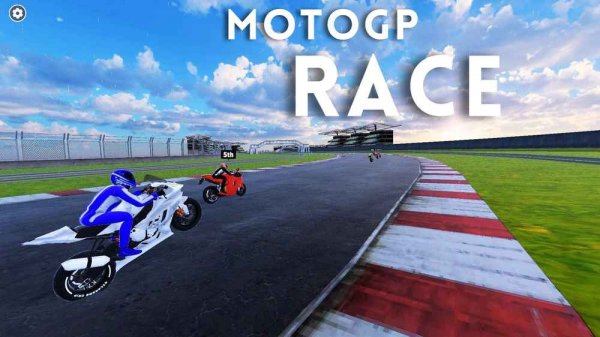
The racing experience centers on the contrast between two distinct track surfaces. On asphalt sections, maintaining momentum through tight curves requires precise braking and smooth acceleration. The pavement offers consistent grip, allowing for higher speeds but punishing any mistake with lost time. Dirt portions introduce bumps, loose gravel, and elevation changes that force riders to adjust their posture and throttle control. These transitions happen multiple times per lap, creating a rhythm where players must anticipate the next surface change before it arrives.
Motorcycle Handling and Physics
The bike responds to every input with weight and momentum that feels grounded in real-world physics. Acceleration pushes the rider back, while hard braking shifts weight forward, affecting steering response. On dirt, the rear wheel may slide if power is applied too aggressively, requiring a gentler touch to maintain traction. The suspension compresses over jumps and absorbs impacts from rough terrain, adding a layer of tactile feedback that helps players feel connected to the machine. Mastering these nuances separates casual riders from those chasing record times.
Boost Management Strategy
A limited-use speed boost system adds tactical depth to each race. The boost can be saved for straight sections where it provides maximum benefit, or used to power through difficult off-road segments where maintaining speed is harder. Deciding when to deploy this resource becomes a central part of the strategy, especially on tracks where the difference between first and second place comes down to a well-timed acceleration. Players who learn to conserve boost for the most critical moments gain a clear advantage over those who use it impulsively.
Competition and Progression
Races are structured around achieving the fastest lap times across multiple circuits. Each track presents its own combination of surface transitions, corner configurations, and obstacle placements, ensuring that no two races feel identical. The simple control scheme allows newcomers to start racing immediately, while the depth of the physics and boost system provides ongoing challenges for experienced players. Short race durations make it easy to attempt multiple runs, encouraging repeated play to refine techniques and improve personal bests.





Comments
Sign in to leave a note
You must be logged in before posting a review or rating.
No account? Create one
No comments yet. Be the first to comment!