
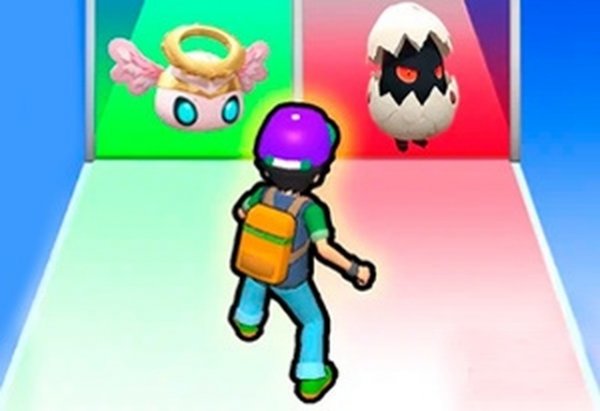
Creature Growth Quest
Opens in a play window — no download required.
Reviews
Creature Growth Quest keeps its scope clear: navigate obstacle courses, collect gems and special items, and improve through repeated attempts. The gradual difficulty curve and tutorial make it approachable for newcomers, while changing layouts and item placements give experienced players reasons to retry courses. Browser and mobile support add flexibility. The main limitation is that the input does not describe multiplayer, story depth, or specific character customization details, so players seeking those features should check further before playing.
Description
Course Navigation and Collecting
Each round in Creature Growth Quest asks the player to guide a protagonist from the start of an obstacle course to its end. Gems and special items are placed along the route, and collecting them is the main measure of success. Obstacles require careful timing and positioning, so the safest path is not always the most rewarding one. Early courses introduce movement and timing with low pressure, while later layouts combine tighter sequences and trickier item placement.
Controls and Session Flow
Players use keyboard or mouse inputs to move through each course. A brief tutorial at the start explains the basic controls, which matter because small mistakes can end a run. The game can be paused at any time, making it practical for short breaks or longer sessions. Each attempt is self-contained, so repeated tries are part of the normal rhythm rather than a penalty.
Progression and Replay Value
Difficulty increases gradually across courses, and new layouts and item placements keep later attempts from feeling identical. A reward system encourages finishing courses and gathering all available items. The game is optimized for both desktop and mobile browsers, so the same progress structure works across devices. Its anime and manga visual style ties the courses together and gives the collecting loop a consistent identity.
Practical Approach for New Players
Observing a course before moving helps identify where obstacles cluster and which items sit near risky sections. Reaching the end first, then returning for missed items, is a reliable way to learn a layout. Rushing usually causes avoidable mistakes, especially once difficulty rises. Using the early courses to practice movement and timing builds the consistency needed for more complex layouts.
Compatibility
FAQ
Comments
Sign in to leave a note
You must be logged in before posting a review or rating.
No comments yet. Be the first to comment!




Editorial Notes